Marinos Skolarikos 2021-10-22
Founder
October 22 is the 12th annual International Champagne Day! Nothing brings people together like a glass (or bottle!) of the unique sparkling wine from the Champagne region of France. Whether you are celebrating life’s small victories or a major milestone, Champagne helps make any occasion special.
The name Champagne is unique but the wines themselves are different each time.
Different vineyards, different vineyards, different grape varieties, different vintages, different blends and different aging periods. There are almost as many styles of wine in Champagne as there are winemakers in the region. The result is a range of wines to suit every taste, every occasion and every dish.
No wine is as versatile as Champagne, whether you're enjoying a casual drink with friends or celebrating a victory. Birthdays, New Year's celebrations, romantic dinners for two, wedding receptions, when there is something worth celebrating, champagne is always the first choice.
The labelling of champagne (label, back label, neck label) requires the following mandatory indications:
The word "Champagne", the level of sweetness (brut, sec, demi-sec, sweetness (brut, sec, demi-sec, etc.), the percentage of alcohol by volume (%) vol); the capacity of the bottle (l, cl or ml), the brand of Champagne; the name of the producer, the name of the commune in which the producer is located and the country of origin (France), the name of the producer. The producer's registration code, the batch code, the indication 'product of France' also the allergen content, together with a warning against consumption during pregnancy.
Optional information on labels
Blanc de Blancs: denotes champagne produced exclusively from white varieties. The grapes are usually Chardonnay, but sometimes much rarer, varieties, used alone or in combination (Pinot Blanc, Pinot Gris, Arbane and Petit Meslier, which together represent only 0,3 % of plantings).
Blanc de Noirs: denotes a champagne produced exclusively from grapes (Pinot Noir and/or Meunier).
Year of harvest: denotes a champagne 'millesimé', made exclusively from grapes produced in the year indicated on the label and containing no other wines. The year of harvest is also indicated on the cork.
Grand Cru or Premier Cru: denotes a wine produced exclusively from vineyards that have been granted Grand Cru status (17 villages) or Premier Cru status (42 villages).
Various technical details may also appear on the back label of the bottle (the varietal composition of the blend, the vineyard or vineyard site) as well as the named vineyard of origin, date of extraction, etc.).

The Champagne glass
Champagne is best enjoyed in a tulip glass: tall and bulbous enough to allow the bubbles to develop to the full but narrowing at the top so as to concentrate the bouquet. The saucer-shaped Champagne coupe is to be avoided.
Wash Champagne glasses by hand with hot water only, never soap or detergent. Gently wipe dry, aiming to safeguard all those natural imperfections in the glass that make for a proper show of bubbles and a fi persistent ring on the surface of the wine.
Temperature
The ideal serving temperature is 8-10°C. Champagne is best chilled by placing the bottle in a bucket with ice and water for 20 minutes, or in the refrigerator for several hours

Champagne is an aperitif par excellence, but with a range of aromas and flavours that make it easy to pair with almost any dish. Exceptions are salads with vinaigrette, hot and spicy foods and chocolate. Otherwise, this sparkling wine pairs well with almost everything from appetizers to main courses and desserts.
Source: Comite Champagne
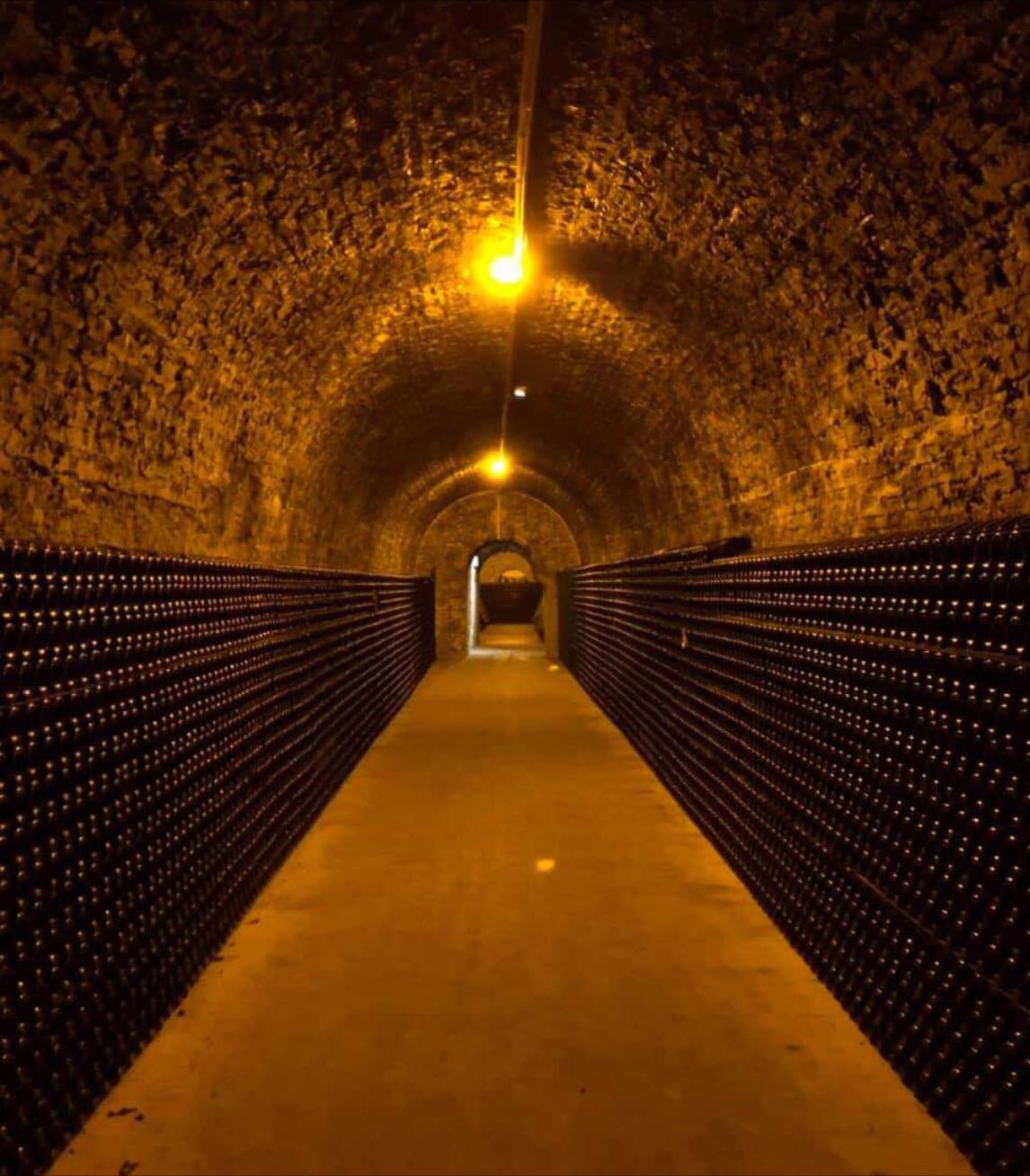
Photo credit:
@allwinestories
Cheers!