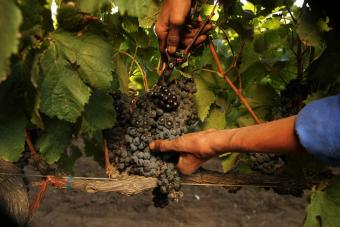
The 2022/2023 season will be remembered for the dry and warmer winter, generally good growing conditions during the vegetative growth phase, good rain shortly before véraison which benefited quality, and a cool and wet ripening period which gave grapes a chance to ripen optimally at a slower rate.
“Wine lovers can look forward to high-quality wines from this season,” says Schutte. “Smaller berries driven by the dry conditions during the cell division and enlargement stage benefited grape quality to deliver excellent flavour and colour profiles. Viticulturists and winemakers are particularly excited about excellent colour extraction, low pH levels and high natural acids in cases where vineyards have been effectively managed, all of which indicate exceptional quality wines.”
The 2023 wine harvest – including juice and concentrate for non-alcoholic purposes, wine for brandy, and distilling wine – is estimated to amount to 917.2 million litres, at a recovery of 777 litres per tonne of grapes.
“Despite what was by all accounts a challenging harvest for our winemakers, we are positive that we can look forward to superb 2023 vintage wines to share with our consumers around the world,” says Siobhan Thompson, CEO of Wines of South Africa (WoSA). “We have seen the demand for South African wines grow and anticipate our wines will continue to deliver the excellent quality we are becoming known for.”
South Africa is the ninth largest wine producer in the world and produces approximately 4% of the world’s wine. The wine industry contributes more than R55 billion to the country’s GDP and employs 269 069 people across the value chain, of which 80 173 work on farms and in cellars.
“The wine industry's stock levels are currently in equilibrium – unlike during the Covid-19 pandemic, during which the wine industry was not allowed to trade for 200 days, and the stock levels stood at 650 million litres,” says Rico Basson, Vinpro MD. “With the smaller harvest, excellent quality wines and the market that has turned from a buyers’ to a seller's market, the South African wine industry is ready for business.”
Overview of the production areas
Breedekloof - The year will be remembered for a two-part harvest, particularly berry sizes and problems with load shedding at farm and cellar level.
Cape South Coast - Early season wines reflect an excellent vintage, while the late season wines showcase the expertise and ingenuity of the winemaking teams.
Cape Town - The 2023 season set the table for excellent, fresh wine styles and lower volumes due to natural factors leading up to the harvest.
Klein Karoo - An early vintage with good grape quality and exceptionally high summer rainfall.
Northern Cape - A challenging wine grape season gave rise to a noticeably smaller harvest with an increase in flavour concentration and wine quality. Colombar’s prospects look especially good.
Olifants River - This season will be remembered for its cool temperatures, wet and muggy weather from December onwards. Water security and energy availability largely determine the region's wine grape harvest.
Paarl - The season is known for ideal weather conditions and the absence of severe heat waves. The pressing conditions were also particularly favourable until the end of February and grape quality was excellent.
Robertson - Below average productions were delivered after a divided season. Ideal conditions prevailed until the first major rainfall in March during which some of the best grape quality in decades was observed.
Stellenbosch - A cooler ripening period ensured high quality wine with early cultivars. Late cultivars have been more challenging, but good management practices produce high quality grapes.
Swartland - The season was characterised by ideal, moderate weather conditions during the first part of the harvest, with early and mid-season cultivars achieving optimal, full ripeness at lower sugars.
Worcester - A relatively dry winter and summer and warmer growing season led to smaller berry sizes in all cultivars – a determining factor for the region’s smaller harvest.
Photo Credit:wosa
Source: wine.co.za