Harvest 2022 Heraklion: Unusual August rainfall affected production volume
The 2022 growing season is characterised by strong variations in climatic conditions. In particular, the winter was cold but mild until February, but the spring of 2022 was very interesting, starting in March with several snowfalls, while afterwards it was mild with relative dryness in some places. Finally Summer was very strange with gusty winds in places with relative dryness and heavy rainfall towards the end of the summer. The low spring temperatures combined with continuous snowfall led to a delayed start of the growing season, resulting initially in delayed bud development, but subsequently, due to mild weather conditions, a fast growing season followed, during which there were no particular fungal problems, but on the contrary, there were phenomena of heavy eudema infestation. The phenomenon was particularly intense in some areas, with the result that many vineyards were completely destroyed in combination with the unseasonal rainfall in August. Producers who applied partial defoliation of the stumps were particularly fortunate in dealing with eudemida and other vine diseases, as no heat waves were observed which would have created additional problems.
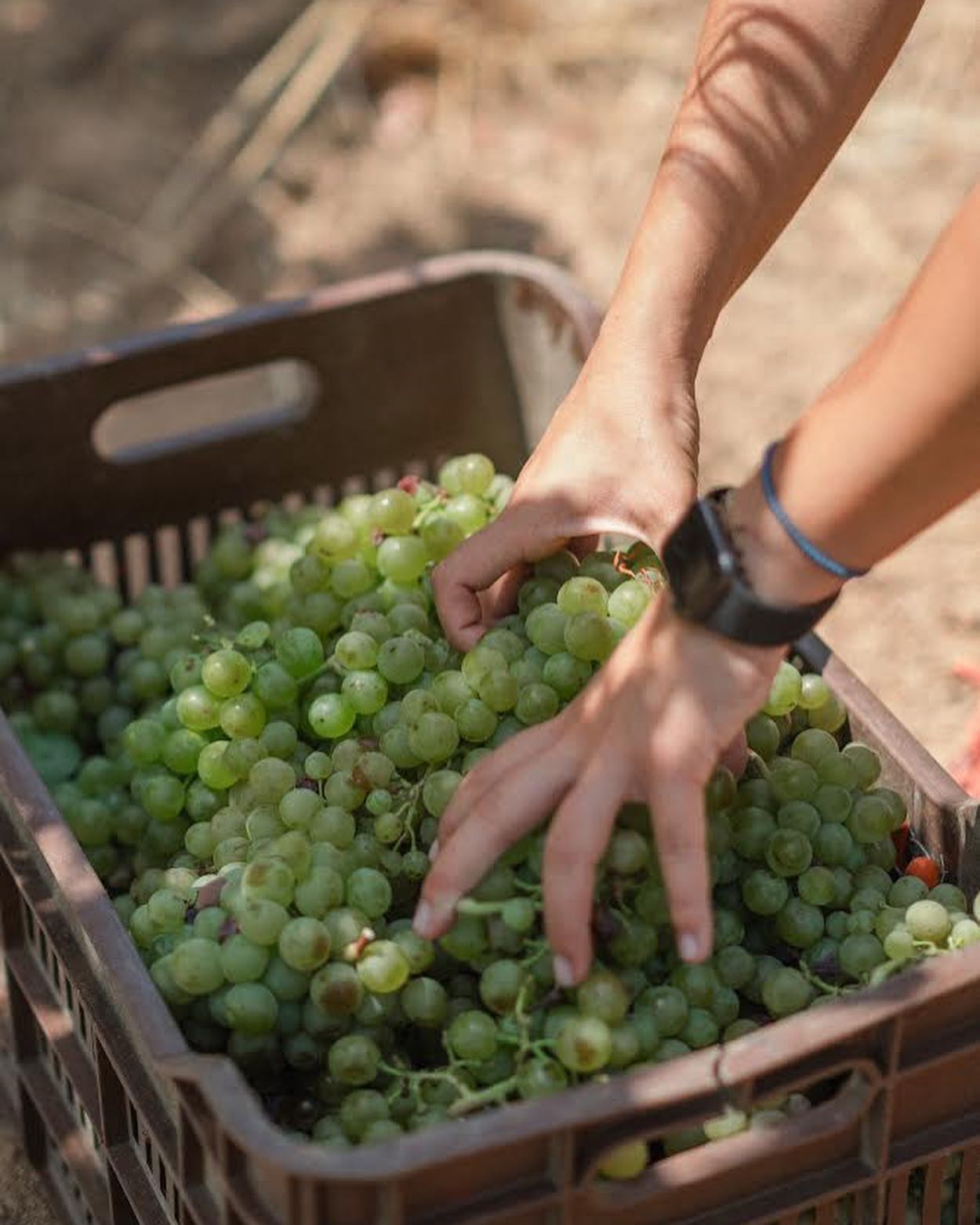
The expected production volume will be significantly reduced by 40% compared to the previous year, as the unseasonable and heavy rainfall in August caused particular problems for the harvest. This year there are higher acidities due to the large difference in day and night temperatures compared to other years and a slightly lower alcohol content due to rainfall, while the aromatic potential remains at very satisfactory levels. The red wines have a lower colour intensity compared to last year's vintage.
Consumers are choosing wines based on taste over other factors. This is followed by aroma, price, habit, sweetness, place of origin and variety. These factors were not affected by the current climatic conditions.
Most wineries have not increased grape prices despite the continuing increase in cultivation costs due to the energy crisis and despite the demands of producers.
The Heraklion AES maintained the high prices paid to its members in the previous year in an effort to support their income.
The continuous heavy and unusual rainfall in Crete has affected the harvest, which is predicted to be lower than originally forecast and this raises many concerns for the future, due to climate change, whose effects are gradually becoming more pronounced every year.