Marinos Skolarikos
Athens 01/12/2023
Dear Mr. Gaja,
Thank you for your time to make this interview with us and welcome to Allwinestories.com
It was great pleasure meeting you in person during the Symposium of Academie Internationale Du Vin on the 01/12/2022 in Athens.
Well, please let me start by asking you about the beginning of Gaja family history and your philosophy of the winemaking.
The Gaja winery was born in Piedmont in 1859 in the village of Barbaresco, in the Langhe, 50 km south of Turin. The founder Giovanni Gaja (1832 - 1914) was succeeded by Angelo Gaja (1876 - 1944), then Giovanni Gaja (1908 - 2002), and I Angelo Gaja (1940) and my wife Lucia.
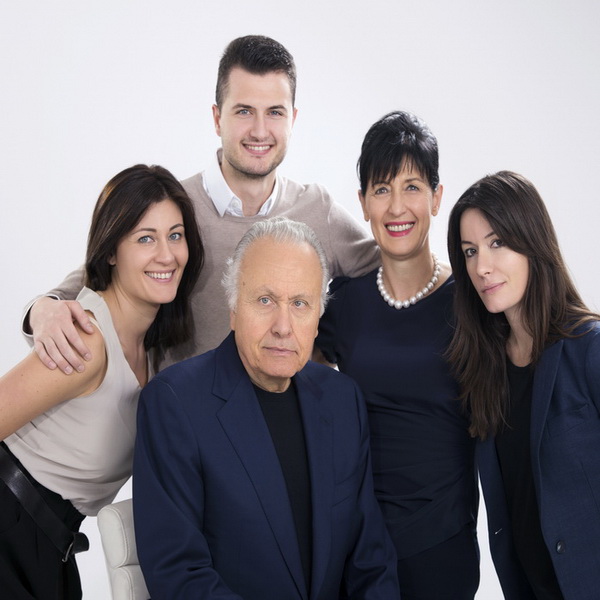
The fifth generation is currently operating in the company, represented by my children: Gaia, Rossana and Giovanni. The company philosophy is the same as always: do not buy grapes/wine, strictly keep the quality control of the wines we produce from the vineyard-cellar-marketing, always impose a personal style, ours, recognizable, unequivocal, do not insist in the cellar to increase pleasantness, learning to accept and manage the small imperfections which are also those that give the soul, the imprinting of our wines.

GAJA Family, Today, from bottom _left: Gaia-Lucia-Rossana-back_Giovanni-Angelo_Gaja
What was the role of your father Giovanni Gaja of your development.
He was my Maestro. His label from 1937 is historic, where he imposed the GAJA brand in the guise of an artisan producer. He drove me to "learn to think differently"; to have respect for colleagues "live and let live"; not to cultivate certainties but to "cultivate the culture of doubt", to get involved, grow, and do better; to produce identifying wines capable of expressing the heimat, the genius loci, the soul of the Langhe. Even on the habit of consuming wine, he had his creed:
"who knows to drink, knows how to live" without talking about moderation-conscious drinking.
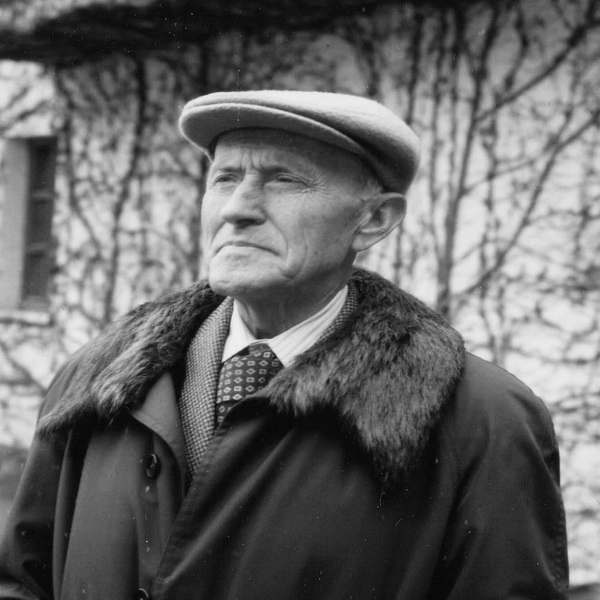
Giovanni Gaja 1908-2002
Do you encourage your children to follow the family business?
Yes, but at the same time, I leave them large autonomy to carry out their projects.

Barbaresco Village
What revolutionary techniques and ageing practices have you introduced in the vinification of the Nebbiolo?
In the last century we tried to harvest riper grapes, to obtain greater extraction from the skins during fermentation, to accompany the maturation of the wine also with the use of new wood from the barriques to better fix the colouring matter. Now, with climate change, we impose ourselves to harvest crunchy grapes (not overripe!), in fermentation we extract more gently from the skins, and we have reduced the use of new wood.
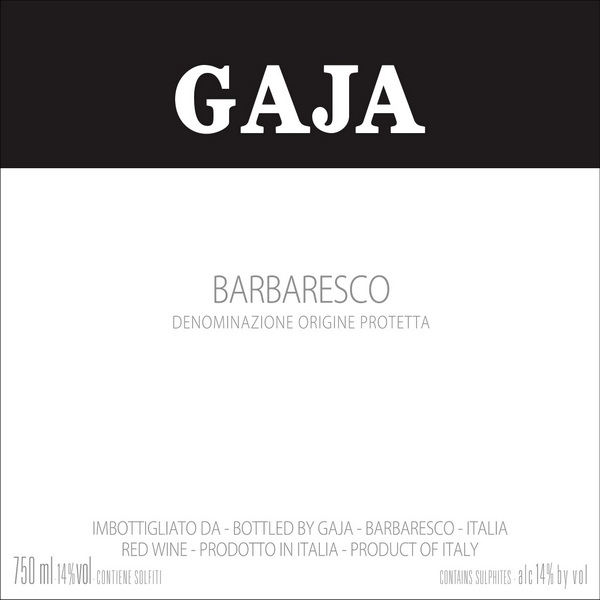
Langhe Nebbiolo Sperss. What does the name “Sperss” mean. Please describe us the characteristics of this iconic wine.
SPERSS in Piedmontese dialect means nostalgia, it was the one accumulated by my father who in 1924 and 1925 had gone to pick the grapes in that vineyard in the Serralunga village (Barolo production area) and had gathered an experience that he considered extraordinary. That vineyard had remained in his heart and he would have loved to be able to buy it one day to produce his first Barolo wine. He didn't succeed. I managed to buy it in 1988 and I wanted to dedicate it to the nostalgia that my father had always cultivated for it.
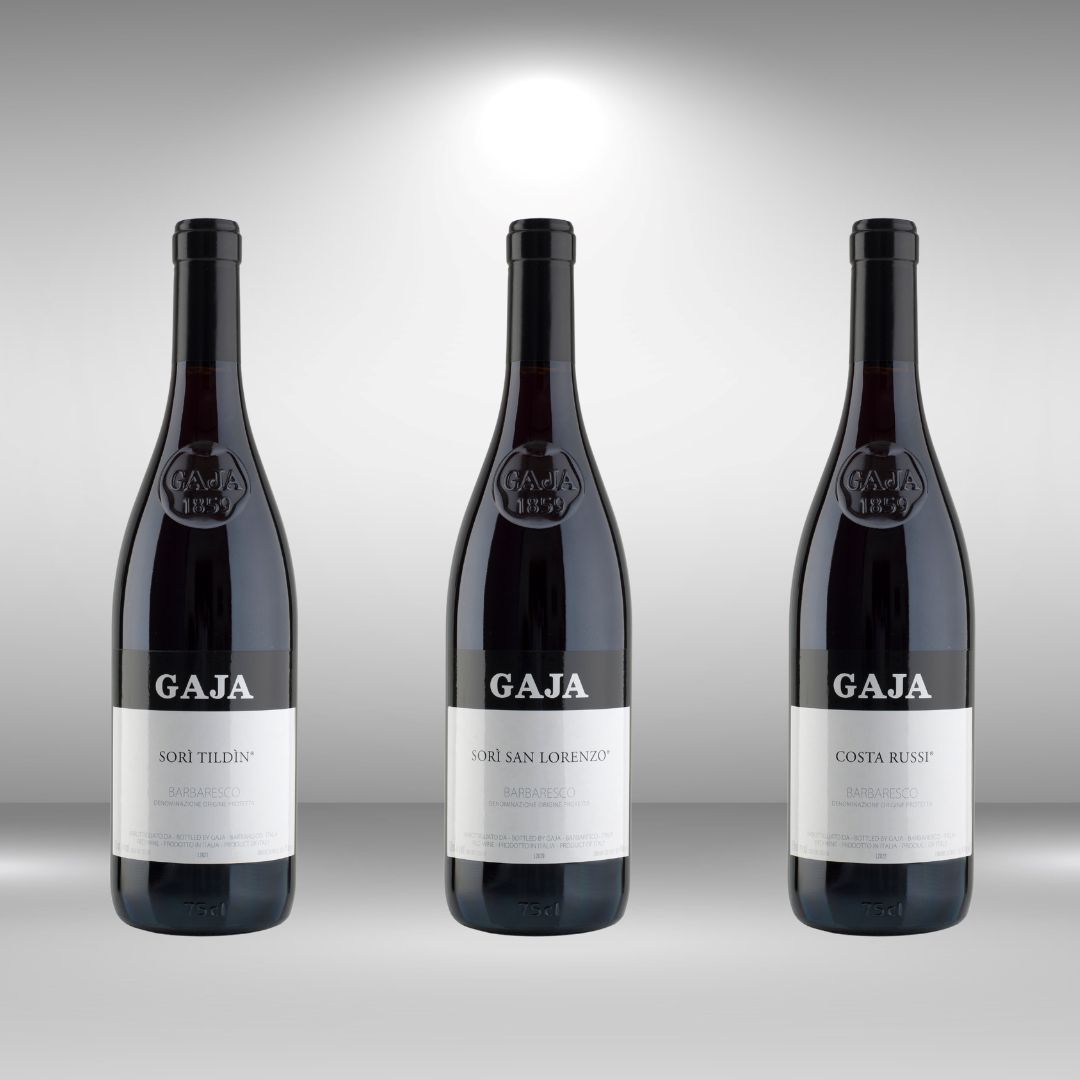
In the Barbaresco parcels, “Sori Tildin, Sori San Lorenzo, Costa Russi”, you produce the finest Crus of Italy. What are the differences between them in terms of terroir?
Sorì San Lorenzo rewards austerity in a velvet glove, the completeness to reach which requires maturation of a few decades; Sorì Tildìn is elegance and finesse from a young age. Costa Russi is a wine that is able to surprise, charm, and amaze. Three wines with different voices/expressions, which know how to give glory singing together in the chorus of Nebbiolo.
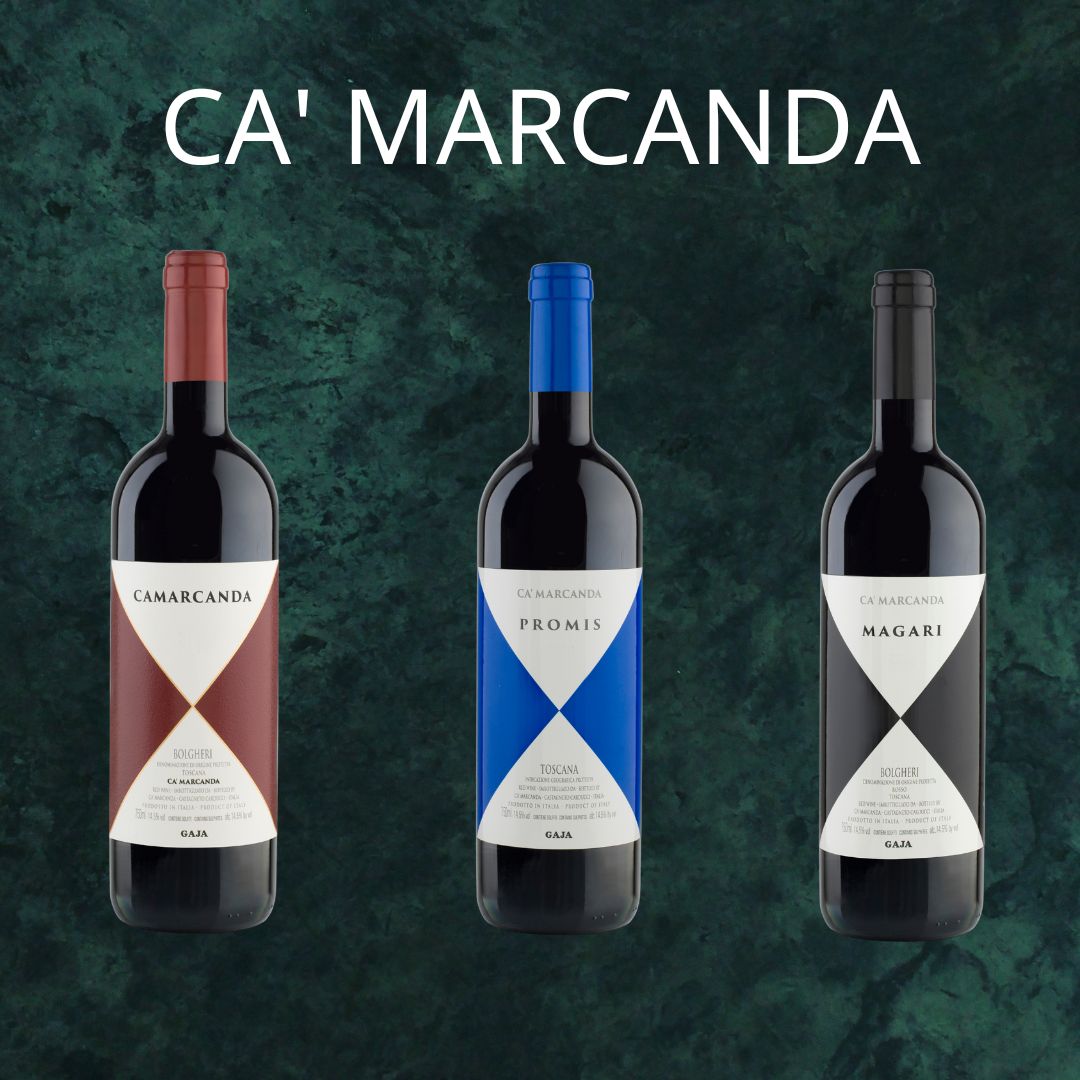
Bolgheri is the region where old world meets the new. Tell us about “Ca’ Marcanda” the perfect place for the 5th Gaja generation.
Yes, at Ca' Marcanda we have taken up the challenge of the new world, with Cabernet, Merlot, and Shiraz.
Bolgheri is a magical corner, a rectangle of blessed land about 20 km long and 15 wide, bordered on one side by the Tyrrhenian Sea and on the other by a large and extensive wooded area. Flooded with light (reflection of the sun on the surface of the sea), with a singing air animated by the winds, towed by the leader Sassicaia which has been the tread since the first harvest 1968. Ca' Marcanda has started producing since 2000. Now we know a lot more than then, we have learned to listen to the different terroirs, we have built a team of capable and enthusiastic collaborators and we firmly believe that the future will be our friend.
What does the word “artisan” mean to you and what is your motto.
A craftsman in our branch is one who never gets tired of continuing to accumulate knowledge in the places where he intends to operate: the vineyard, the cellar and the market. They are three totally different areas; it is necessary to apply oneself continuously because the situations within each sector are changeable. For me, it means that when I have job meetings with my vineyard manager, I know what I'm talking about, even if he is the expert.
Identically when I talk to the cellar manager, I know what style/imprint I want in the wines we produce and which I ask him to make, even if he is the expert. The same goes for marketing: I don't want that it is shouted at, we still don't have a website, we don't like crowds, we want to keep our polite way of being on the market in defence of the profound cultural values that make up the historical heritage of wine.
Copyright 2023-2025
Photo Credit: Gaja.com