Marinos Skolarikos, editor 28 March 2025.
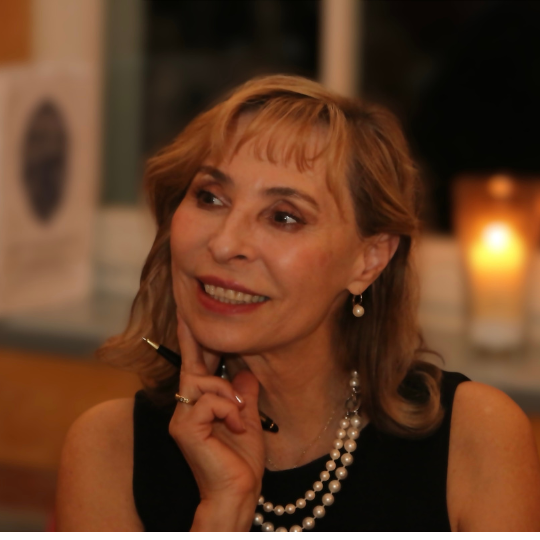
Proud to present in Allwinestories: Edita Ďurčová – Deputy Vice President of Vinofed, DipWSET, oenologist, wine judge, and writer! A true ambassador of wine culture, bringing expertise, elegance, and insight to every glass.
You have a diverse educational background in oenology, sensory analysis, and wine communication. How did your studies at the Slovak Technical University and your WSET Diploma shape your career in the wine industry?
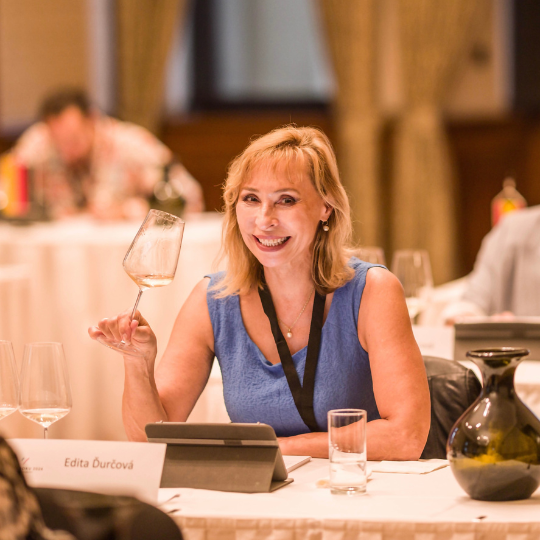
I think that my technical education gave me a good fundamental platform and knowledge background for further study of various areas related to wine and winemaking as such.
From a professional point of view, the WSET Diploma is a very good advanced training program for all those working in different sectors of our industry, i.e. not only in production itself, but also in trade, quality control and moderate promotion. For me personally, it was a great added complement and, in a way, an upgrade to a classical university education.
As the General Director of the Danube Wine Challenge IWC and a key figure in VINOFED, what role do wine competitions play in shaping consumer preferences and industry standards?
I consider wine competitions as one of the marketing tools for the visibility of wines and winemakers, especially from lesser-known destinations, but also from well-known regions.
I think that more than shaping consumer preferences, competitions can draw attention of wine professionals and consumers to new, undiscovered destinations, wines, winemakers, thanks to the outstanding results achieved.
But it is not enough. What matters is what award-winning winemakers can do with these achivements next. Whether they have good and flexible communication, how they can respond to market interest, whether they are prepared to respond to it and provide further information to potential buyers and, of course, to deliver their products or welcome them into their winery.
You’ve recently retaken on the role of Deputy Vice-President of VINOFED in charge of the Permanent Secretariat. What are your goals for this position, and how do you see the future of international wine competitions evolving?
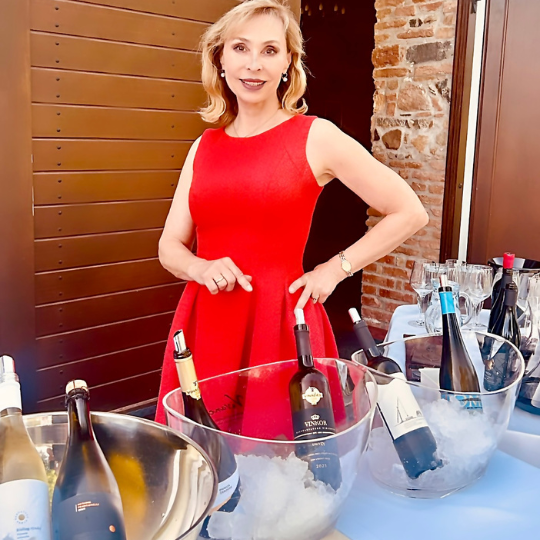
It has always been important to me that we, the organizers of the competitions that are members of the World federation VINOFED, insist on their high professional standard.
I think we have managed to improve a lot in the last years, especially in the communication and visibility of our federation and individual competitions, for example in the last year (2024) the total interaction with the audience (number of views) on our website and our social media sites achieved 130 000, which is very important in building a reference brand associated with quality. VINOFED has positioned itself on CHAT GTP as the first most important content in the 'Wine Federation' category.
I see the future of wine and spirits competitions in being flexible in responding to the demands of producers, merchants and consumers, to serve as one of their references in navigating an increasingly competitive marketplace.
What challenges do you face when organizing or judging international wine competitions, and how do you address them?
Well, this is a very complex question – and answer!
To judge in an international wine competition is a very responsible “job”, it is not easy at all. You have to be prepared, open minded, disciplined and, above all, very professional, concentrated, communicative, humble and always focused on the assessment. If the product in your glass is flawless, then you can turn your attention to its quality, originality, uniqueness.
To organize an international competition is a big challenge. It is not enough to "just" run the competition as such, to gather experienced, renowned tasters, to approach producers and traders to send their samples. There are many competitions on the market, so you need to have a good project, an idea of where, and why in that particular place, what added value it will bring, come up with a good strategic and marketing plan. You need to get partners, sponsors and create a good team. And then you have to set everything up so that the logistics work, create the best possible conditions for the preparation of samples and the evaluation itself, put together an interesting supplementary program for tasters, and not forgetting media support and communication...
However, you have to be convinced that the project is meaningful, that it is beneficial.
In the case of our Danube Wine Challenge, it is especially a great opportunity to raise the profile of our country and attract the attention of the wine world.
You’ve been a lecturer at the Slovak Wine Academy since 2009. How do you approach teaching wine appreciation and sensory analysis to students, and what do you think is the most important lesson for aspiring wine professionals?
For me, every job I do is a mission. I understand that I have to do it absolutely responsibly and only if I am sure that it makes sense and, most importantly, if I personally have the skills and potential to do it well. I have always tried to pass on my theoretical knowledge and practical experience to the audience as clearly as possible.
In my opinion, it is very important for future wine professionals to continuously work on themselves, educate themselves, train, travel, follow trends, market developments and be open to new knowledge.
With your extensive experience in sensory analysis, how do you think the perception of wine quality has changed over the years, and what emerging trends do you see in wine production and consumption?
In my own experience, the perception of wine quality by professionals hasn't changed much. Rather, circumstances have changed in that the world is more open, tasters are tasting more wines from all over the world and thus becoming more open to new, previously unknown sensations. What has certainly changed, however, is the significant improvement in the quality of wines in general and therefore also those we encounter at competitions. We are encountering emerging trends as producers react very promptly to market demands, such as the move towards low-alcohol and dealcoholized wines or the rediscovery of so-called orange wines (white wines with maceration).
Currently, we are very concerned about the downward trend in wine consumption, the change in consumption habits (e.g. the younger generation is drinking less wine and drinking wine with food, which was once part of the diet, is becoming more of an exception...), even though we are in favour of moderate wine drinking.
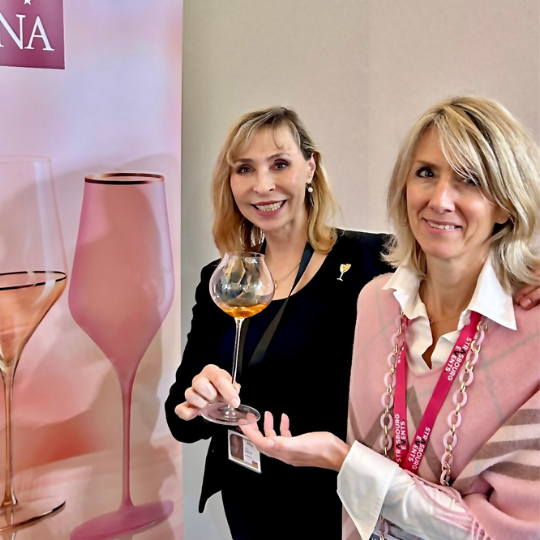
Edita Ďurčová & Frederique Pierre (Mondial Des Vins Blancs Strasbourg)
How do you think climate change is impacting wine production, particularly in regions like Spain, where you have deep expertise as the CEO of VINALMA?
The climate change is impacting the whole world, all countries, all regions, without exception. We all have to adjust – in the vineyards and in the cellar. Consideration should be given to the use of resistant varieties that can withstand late frosts, severe droughts or torrential rains, new diseases, etc. In the southern regions of Europe, including Spain, new locations are being sought, more sheltered from the weather, at higher altitudes, with an orientation mainly to the east or north-east... Of course, new practices are being researched and developed in vineyards and cellars to help eliminate the negative effects of climate change as much as possible.
Anyway, I am optimistic and I think that it is the ever increasing quality of wine and better education of producers, merchants, sommeliers and consumers that are the hope for the future of the whole wine sector.
Photo Credit: Edita Durcova