Marinos Skolarikos, January 17th 2025, Editor.
Allwinestories.com discuss with "Yvette van der Merwe", President of the International Organisation of Vine and Wine (OIV) about the global wine industry.
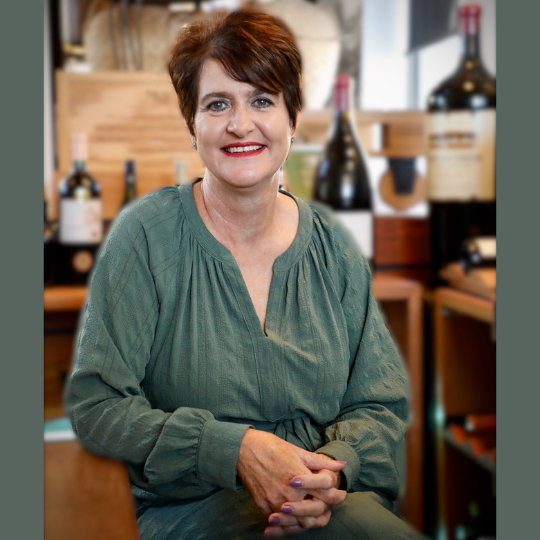
Yvette van der Merwe
As the first woman from South Africa to lead the OIV, how do you view this milestone, and what message do you hope it sends to women and emerging leaders in the industry?
Being the first person from Africa to lead the OIV is a significant milestone for both myself and the continent. It is a powerful reflection of the growing inclusivity within the global vine and wine industry.
For women, it sends a clear message that leadership is about skill and passion, not gender, and I hope it inspires women to pursue leadership roles in all sectors. For emerging leaders, especially from Africa, it shows that opportunities are available globally, regardless of background.
I hope my leadership of the OIV will inspire future generations of leaders from all backgrounds to dream big, embrace challenges, and make a lasting impact in the wine industry and beyond.

John Barker DG - Yvette van der Merwe PR
What are your primary goals and priorities as President of the OIV, particularly in addressing the challenges of climate change and sustainability?
As President of the OIV, my primary goals and priorities will center around the implementation of the new strategic plan, which has a strong focus on all aspects of sustainability, environmental, economic, and social. This includes fostering global collaboration and capacity building, advancing research, and accelerating the sharing of knowledge, research, and best practices on climate adaptation strategies. By uniting stakeholders across the globe, we can better equip the industry to respond to the challenges of climate change while ensuring the long-term sustainability of wine production.
Sustainability is a key focus for the wine industry. What innovative practices or technologies do you believe will have the most significant impact on reducing the industry’s environmental footprint?
It is difficult to single out one specific practice or technology, as the industry’s value chain is complex and long. However, a few key innovations stand out:
Precision Viticulture: Using technologies like drones, sensors, and satellite imagery, precision viticulture enables more targeted use of resources such as water, fertilizers, and pesticides.
Sustainable Water Management: Efficient water use, including drip irrigation and rainwater harvesting, is crucial for reducing water consumption in wine production.
Regenerative Agriculture: This approach goes beyond sustainability by actively regenerating ecosystems and improving soil health.
Renewable Energy: The adoption of solar, wind, and other renewable energy sources in production and bottling facilities can drastically reduce the industry’s carbon footprint.
Eco-friendly Packaging: Shifting to lightweight glass bottles, biodegradable labels, and alternative packaging options like cans or pouches reduces the environmental impact of wine packaging and transportation.
Carbon Footprint Reduction in Transportation: Innovations in transportation, such as using electric vehicles or optimizing logistics, can help reduce emissions in the distribution of wine.
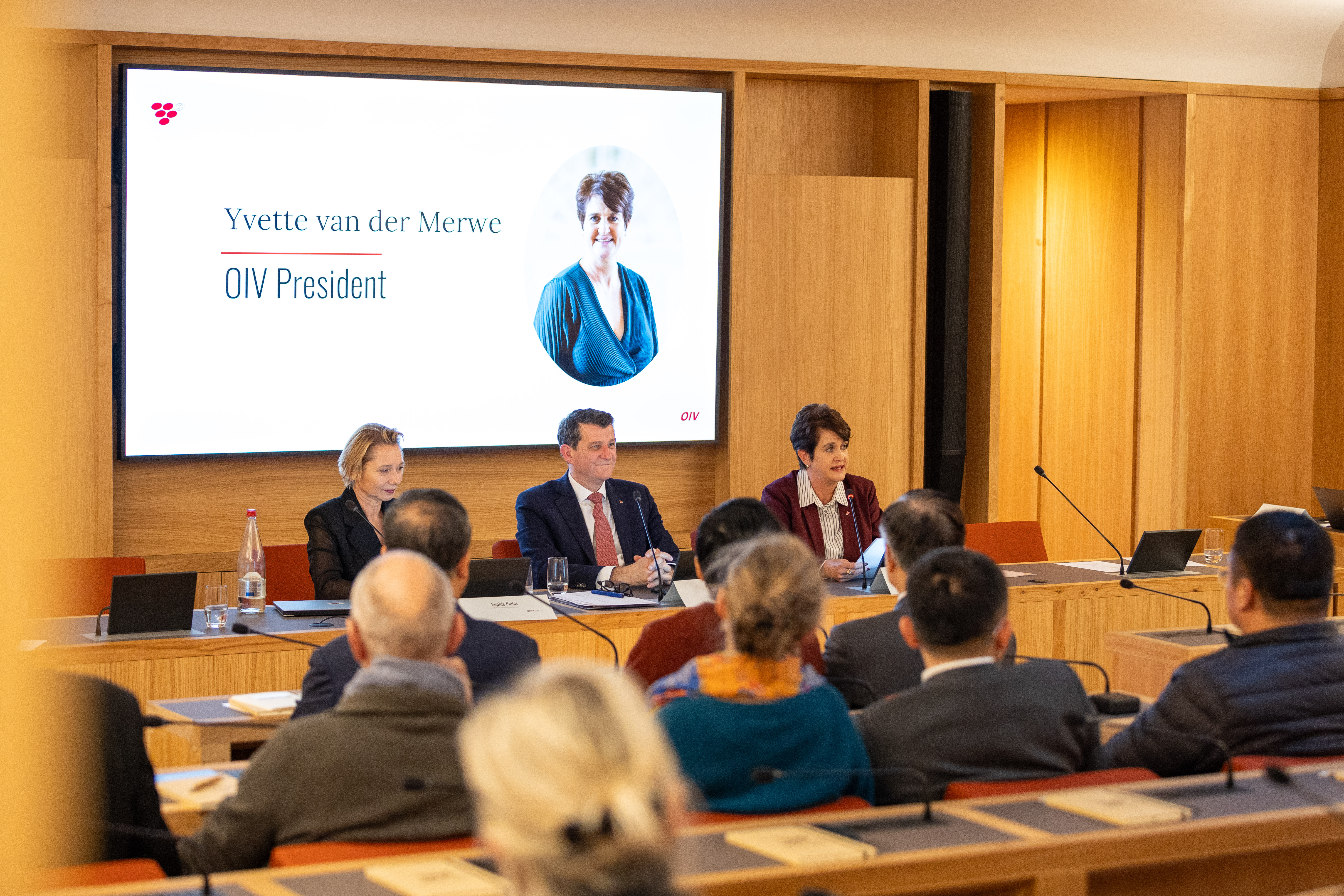
Sophie Pallas - John Barker - Yvette van der Merwe
How is the OIV addressing the shift in consumer preferences, particularly towards organic, low-alcohol, or non-alcoholic wines?
The OIV is actively addressing the shift in consumer preferences, particularly the growing demand for organic, low-alcohol, and non-alcoholic wines, by fostering research, knowledge sharing, and developing definitions, production practices, methods of analysis, and labelling standards as reference guidelines, while also encouraging industry-wide adaptation.
How has your work with SAWIS and the Wine Industry 2020 strategy influenced your approach to leading the OIV?
Both experiences have emphasized the importance of data-driven decision-making, collaboration, and long-term sustainability in the wine sector. This has reinforced the value of evidence-based approaches, which are at the core of the OIV’s strategic objectives, as well as the need for industry-wide collaboration and collective action. As President of the OIV, I am committed to ensuring this collaborative spirit among all stakeholders.
What unique opportunities and challenges do South African wine producers face, and how can they position themselves for success on the global stage?
Opportunities:
Diverse Terroir: South Africa boasts a wide range of unique terroirs, offering diverse climatic conditions, soil types, and altitudes that produce distinctive wines.
Tourism Offering: Wine tourism is an important asset, with vineyards offering a rich cultural experience and attracting international visitors.
Sustainability and Innovation: South Africa leads the world in production integrity, with a strong focus on sustainable, eco-friendly wine production practices that are fully traceable.
Challenges
Climate Change and Financial Sustainability: The industry faces challenges related to climate change, such as water scarcity and unpredictable weather patterns, while also needing to maintain financial sustainability.
Brand Recognition and Marketing: While South African wines have gained global recognition, more work is needed to build consistent brand awareness across diverse markets.
Positioning for Success:
Enhancing Brand Identity: South African producers should continue to build a strong, cohesive brand identity that highlights their unique terroirs, sustainability efforts, and the quality of their wines.
Investment in Research and Development: Ongoing investment in research will help South African producers remain competitive and resilient to environmental challenges.
Focus on Premium Segments and Value Growth: By targeting premium and niche markets, where quality and sustainability are key differentiators, South African producers can tap into higher-margin sales and enhance their reputation for excellence.

John Barker - Francois Morisson Couderc - Yvette van der Merwe
Looking ahead, what do you envision the wine industry will look like in 2030, and what role will the OIV play in shaping that future?
By 2030, the wine industry will be more sustainable, innovative, and diverse, with the OIV playing a critical role in shaping these transformations through leadership, collaboration, and standard setting.
Photo Credit: Baptiste Paquot OIV